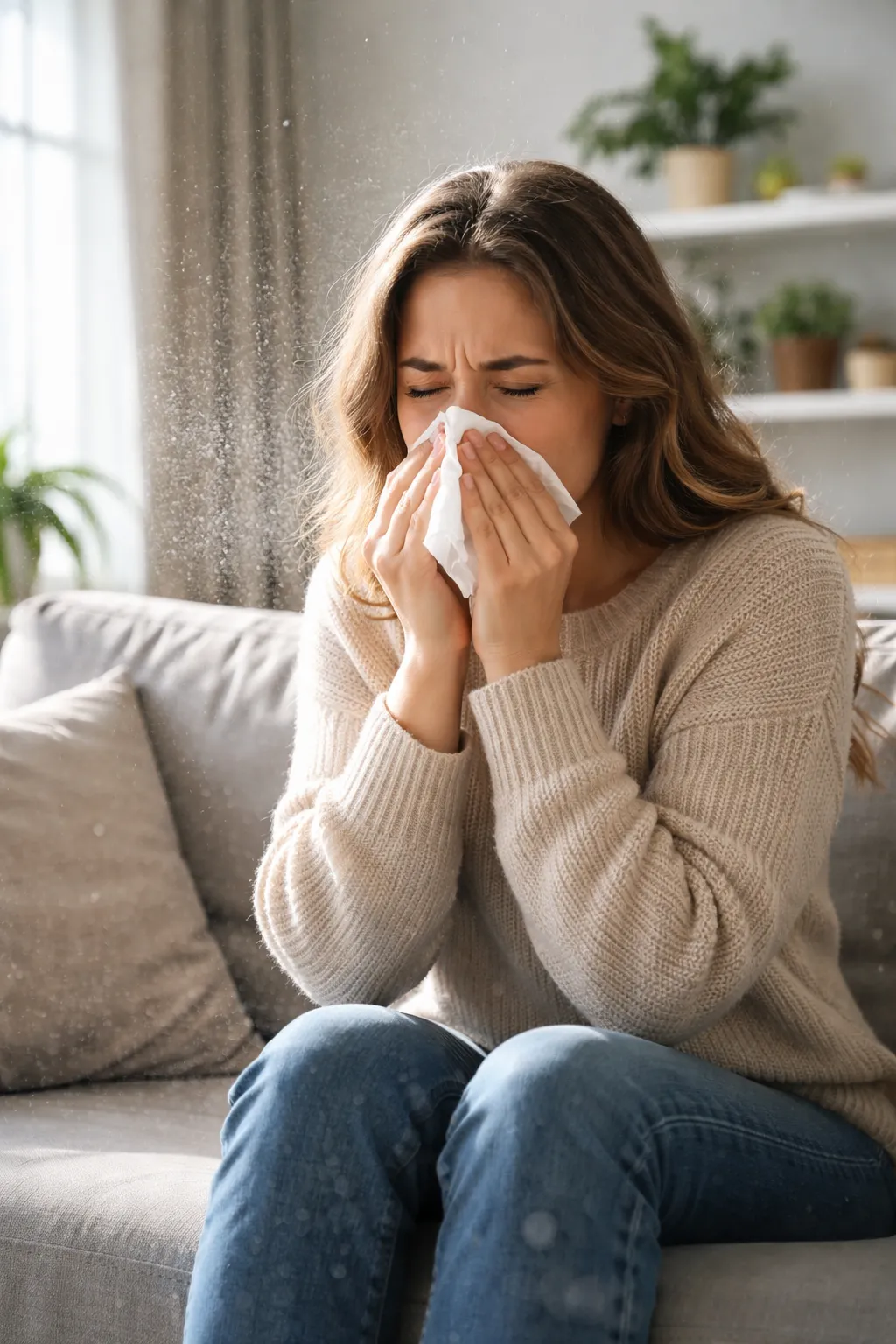
How Household Dust Affects Your Health and Why Proper Cleaning Matters
Indoor air quality plays a crucial role in overall health, yet many people underestimate the impact of household dust. Dust is not just an aesthetic problem — it is a complex mixture of particles that can seriously affect respiratory health, skin conditions, and even long-term well-being if not properly controlled.
What Is Household Dust Made Of?
Household dust is composed of microscopic particles such as:
- Dead skin cells
- Dust mites and their waste
- Pollen
- Mold spores
- Pet dander
- Bacteria and airborne pollutants
These particles accumulate quickly, especially in carpets, sofas, curtains, and hard-to-reach corners of the home.
Health Risks Associated With Dust Exposure
Prolonged exposure to dust can trigger or worsen several health conditions, including:
Respiratory Problems
Dust particles can be inhaled deeply into the lungs, aggravating asthma, bronchitis, sinusitis, and allergic rhinitis. Children and elderly individuals are particularly vulnerable.
Allergies and Skin Irritation
Dust mites are one of the most common indoor allergens. Contact with dust can cause itching, eczema flare-ups, and persistent sneezing or watery eyes.
Weakened Immune Response
Continuous exposure to bacteria and pollutants found in dust may overwork the immune system, increasing susceptibility to infections.
Why Regular and Effective Cleaning Is Essential
Simple sweeping is often not enough. In many cases, it spreads fine dust particles into the air instead of removing them. Effective cleaning requires tools that can capture microscopic debris and prevent it from being released back into the environment.
Using high-quality vacuum cleaners with strong suction and proper filtration systems can significantly reduce indoor allergens and improve air quality. For households looking to make informed choices, resources like 10 best vacuum cleaners for home provide valuable insights into models designed for efficient and health-focused cleaning.
Creating a Healthier Home Environment
To minimize dust-related health risks:
- Vacuum carpets and upholstery regularly
- Use vacuums with HEPA or advanced filtration
- Clean mattresses, curtains, and sofas frequently
- Reduce clutter that accumulates dust
- Maintain good ventilation indoors
Final Thoughts
Dust may be invisible to the naked eye, but its effects on health are very real. Investing in proper cleaning habits and efficient equipment is not just about cleanliness — it is a preventive health measure. A cleaner home means cleaner air, better breathing, improved sleep, and a healthier life overall.